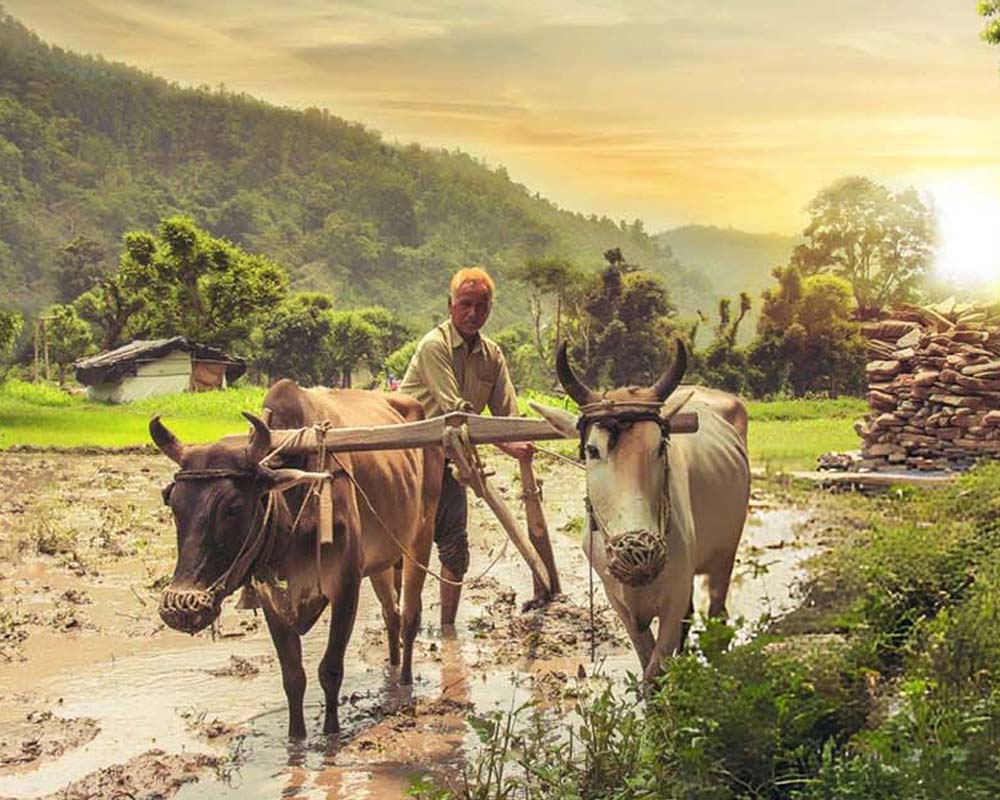
In the realm of agriculture, the adage "Planning for a year, grow corn; for ten years, plant trees; but if you're planning for a lifetime, educate the farmer" speaks volumes about the importance of sustainable practices and knowledge transfer. This perspective emphasizes that while immediate yields are essential for survival, long-term strategies rooted in education can foster resilience and prosperity in farming communities. In this blog, we will explore the significance of educating farmers, the benefits it brings to agriculture, and the ways we can implement effective educational programs.
The Short-Term Vision: Growing Corn
When farmers plan for a year, they focus on immediate outputs, such as growing corn. Corn is a staple crop in many parts of the world, providing essential nutrition and income. However, this short-term planning often overlooks the larger picture. Farmers must navigate the challenges of weather, market fluctuations, and pest management each season. While growing corn can yield significant short-term benefits, it doesn’t guarantee long-term sustainability.
The Challenges of Yearly Planning
-
Market Dependency: Farmers growing single crops, like corn, can become highly dependent on market prices, which can fluctuate wildly. This dependency can lead to financial instability, particularly if prices drop unexpectedly.
-
Soil Degradation: Continuous cultivation of a single crop can lead to soil depletion and degradation. Over time, the soil loses its nutrients, resulting in diminished yields and increased need for fertilizers.
-
Climate Vulnerability: Seasonal farming can make farmers vulnerable to climate change. Unpredictable weather patterns can result in crop failures, threatening food security and farmers' livelihoods.
The Medium-Term Vision: Planting Trees
Planning for a decade means adopting more sustainable practices, such as planting trees. Trees offer numerous benefits beyond immediate crop yields. They help combat soil erosion, improve air quality, and provide habitats for wildlife. Moreover, tree crops can yield fruits and nuts, offering additional sources of income for farmers.
Benefits of Long-Term Planting
-
Biodiversity: Planting trees increases biodiversity on farms, which can lead to healthier ecosystems. This diversity can attract beneficial insects and pollinators, enhancing crop production.
-
Carbon Sequestration: Trees absorb carbon dioxide, playing a crucial role in mitigating climate change. By incorporating trees into agricultural landscapes, farmers can contribute to environmental sustainability.
-
Economic Stability: Over time, tree crops can provide a steady income, reducing farmers' dependency on annual crops. This diversification can lead to greater economic resilience.
The Challenges of Medium-Term Planning
Despite the benefits, planting trees also poses challenges:
-
Long Wait for Returns: Unlike annual crops, trees take years to mature. Farmers need to balance immediate needs with long-term investments.
-
Maintenance Costs: Young trees require care and resources, including water and nutrients, which can strain limited budgets.
-
Risk of Climate Impact: Trees are also vulnerable to climate change, which can affect growth rates and survival.
The Long-Term Vision: Educating Farmers
When considering a lifetime, the most impactful strategy is to educate farmers. Education empowers farmers with knowledge, enabling them to make informed decisions about their practices, crops, and business strategies.
Why Education is Key
-
Knowledge Transfer: Educated farmers understand the importance of sustainable practices, such as crop rotation, organic farming, and soil management. This knowledge allows them to enhance productivity while preserving the environment.
-
Adaptation to Change: In a rapidly changing world, education helps farmers adapt to new technologies, market trends, and climate challenges. They learn to leverage innovations that can increase resilience.
-
Financial Literacy: Education includes teaching farmers about financial management, helping them make informed decisions about investments and budgeting. Financial literacy can lead to better resource allocation and long-term planning.
-
Community Development: Educated farmers can contribute to their communities by sharing knowledge and best practices. They can become leaders in promoting sustainable agriculture, driving regional development.
Implementing Effective Educational Programs
To harness the benefits of education for farmers, several strategies can be implemented:
-
Workshops and Training: Organizing hands-on workshops that focus on sustainable agricultural practices, financial management, and technological advancements can significantly enhance farmers' knowledge.
-
Partnerships with Universities: Collaborating with agricultural universities can provide access to research, innovation, and expert advice. Extension programs can facilitate knowledge transfer between academia and the farming community.
-
Utilizing Technology: Mobile applications and online platforms can offer resources, training modules, and forums for farmers to share experiences. This accessibility can bridge gaps in rural education.
-
Peer Learning Networks: Creating local farmer groups can foster a culture of collaboration and knowledge sharing. Farmers can learn from each other's successes and challenges, building a supportive community.
-
Government and NGO Support: Policy initiatives and support from non-governmental organizations can create a framework for educational programs. Investments in farmer education are vital for long-term agricultural success.
The Broader Implications of Educated Farmers
Educated farmers contribute not only to their immediate communities but also to the broader economy and society:
-
Food Security: Educated farmers can increase food production, contributing to national food security. This is particularly important as global populations continue to grow.
-
Sustainable Practices: Education fosters sustainable agricultural practices that benefit the environment. These practices can help mitigate the effects of climate change and promote biodiversity.
-
Economic Growth: An educated farming workforce drives innovation and productivity, leading to economic growth. This growth can create jobs and improve living standards in rural areas.
-
Social Equity: Education empowers marginalized groups within the farming community, including women and youth. By promoting inclusivity, we can build a more equitable society.
Conclusion
The journey from planning for a year to planning for a lifetime reveals the transformative power of education in agriculture. While growing corn and planting trees are essential steps in agricultural planning, the ultimate investment is in educating farmers. By equipping them with knowledge and skills, we can create a resilient, sustainable, and prosperous agricultural landscape.
The phrase "Educate the farmer" is not just a call to action; it is a vision for a better future. By prioritizing education, we can ensure that farmers are prepared to meet the challenges of today and tomorrow, securing food, economic stability, and environmental health for generations to come.