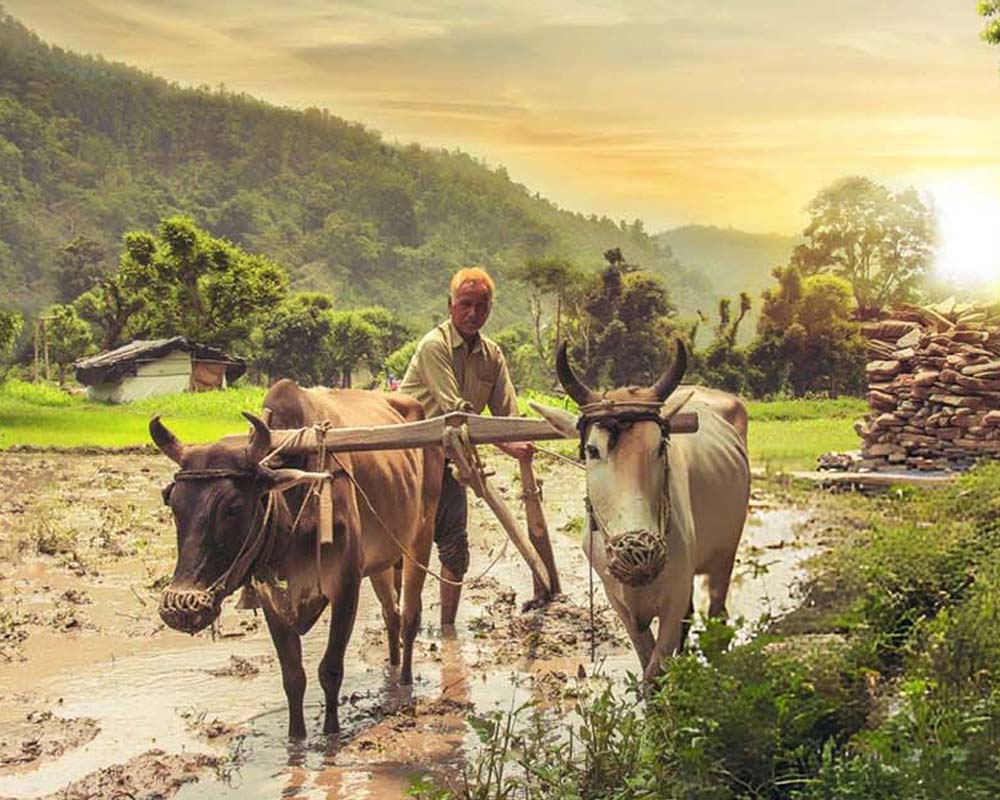
In the lush hills of Meghalaya, a golden revolution is taking root. Lakadong turmeric, known for its high curcumin content and vibrant color, is transforming not just the agricultural landscape but also the lives of women farmers in the region. This blog explores the inspiring journey of these women and their role in cultivating Lakadong turmeric, highlighting their strength and success.
The Significance of Lakadong Turmeric
Lakadong turmeric (Curcuma longa) is renowned for its exceptional quality. With curcumin levels reaching up to 7%, it surpasses other turmeric varieties, making it a sought-after spice in both culinary and medicinal applications. The growing global demand for organic and natural products has opened new avenues for Lakadong turmeric, making it a lucrative crop for local farmers.
Empowering Women Farmers
In Meghalaya, women play a pivotal role in agriculture. Traditionally, they have been responsible for planting, nurturing, and harvesting crops. However, the journey toward empowerment has not been easy. Women farmers often face numerous challenges, including limited access to resources, training, and market opportunities.
Fortunately, initiatives focused on promoting women in agriculture have begun to change the narrative. Organizations and cooperatives have stepped in to provide training, financial assistance, and access to better farming techniques. This support has enabled women to take charge of their farms, transforming them into thriving businesses.
A Collaborative Effort
One of the most significant shifts in the region has been the formation of women-led cooperatives. These groups not only foster a sense of community but also enable members to share resources and knowledge. By working together, women farmers can pool their strengths, negotiate better prices for their produce, and access larger markets.
For example, the Women’s Lakadong Turmeric Cooperative has been instrumental in educating its members about organic farming practices. This cooperative has also helped members gain certifications that ensure their turmeric meets international quality standards, further enhancing marketability.
The Process of Cultivating Lakadong Turmeric
The cultivation of Lakadong turmeric is a meticulous process that requires patience and skill. It typically begins with selecting high-quality rhizomes, which are then planted in well-drained soil enriched with organic matter. Women farmers employ traditional farming techniques, often integrating sustainable practices that protect the environment.
After planting, the turmeric plants require consistent care, including weeding and watering. The farmers rely on their knowledge passed down through generations to ensure optimal growth. When the time comes for harvest, the vibrant golden roots are carefully dug up, cleaned, and prepared for market.
Overcoming Challenges
Despite their determination and resilience, women farmers still encounter significant obstacles. Climate change poses a growing threat, with erratic weather patterns affecting crop yields. Additionally, access to modern agricultural technology remains limited, making it difficult to increase productivity.
To combat these challenges, women farmers are increasingly embracing innovative solutions. Many are adopting organic farming techniques that not only enhance the quality of their produce but also contribute to environmental sustainability. Training programs and workshops provide them with the skills necessary to implement these practices effectively.
Success Stories
The success of women farmers in the Lakadong turmeric sector is evident in numerous inspiring stories. One such story is that of Maya, a farmer from a remote village. With the help of her cooperative, she transformed her small plot of land into a thriving turmeric farm. By using organic methods and leveraging cooperative resources, she significantly increased her yield and income.
Maya's journey has inspired others in her community to follow suit. As more women join the movement, they are not just improving their own lives but also uplifting their families and communities. The financial independence gained through successful farming has empowered women to invest in their children’s education and healthcare, breaking the cycle of poverty.
The Market Potential of Lakadong Turmeric
The demand for Lakadong turmeric is on the rise, both in India and internationally. As consumers become more health-conscious, the preference for organic products grows. This trend has opened up lucrative markets for women farmers.
Local markets, online platforms, and export opportunities are now accessible to these women. By participating in trade fairs and exhibitions, they showcase their high-quality turmeric and connect with buyers. This not only boosts their income but also elevates the status of women in agriculture.
Conclusion: A Bright Future Ahead
The journey of women farmers cultivating Lakadong turmeric is a testament to resilience, collaboration, and empowerment. By overcoming challenges and embracing innovation, they are paving the way for a brighter future.
As the demand for Lakadong turmeric continues to grow, the success of these women farmers can inspire similar initiatives in other regions. Investing in women’s empowerment in agriculture is not just beneficial for families but for communities and economies as a whole.
At Deradun, we celebrate the strength and success of these women, recognizing their vital contributions to the agricultural landscape. As we continue to support initiatives that uplift women in farming, we look forward to witnessing their remarkable journeys unfold.